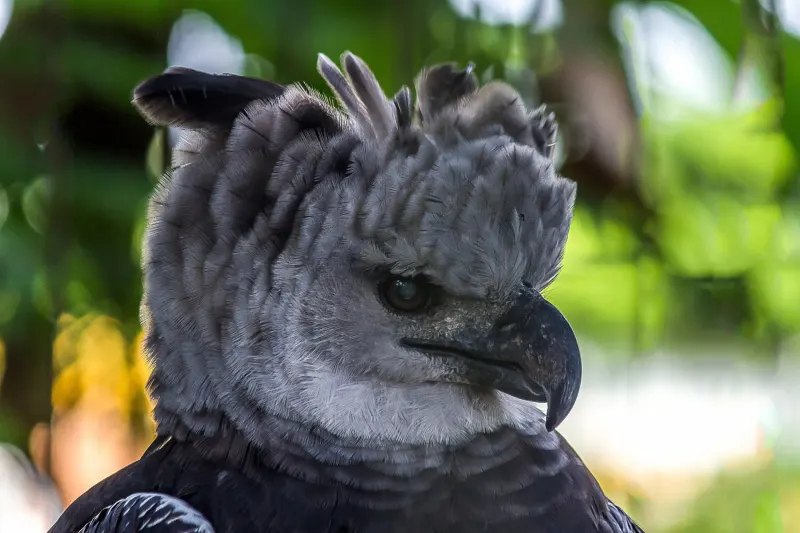
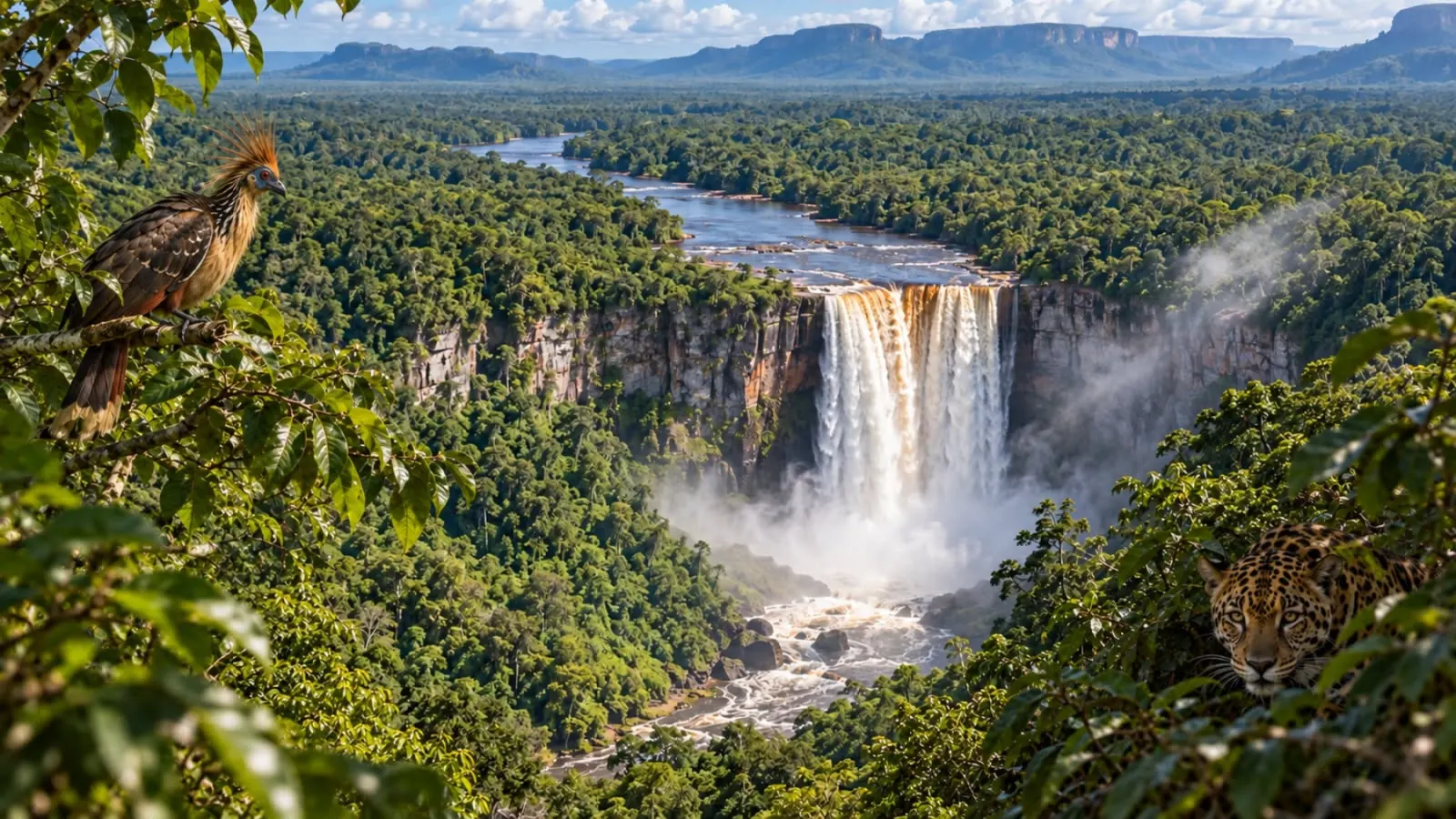
Biodiversity is present in the different varieties of crops we grow, the fish in our rivers and the birds, insects and trees sharing a forest. Even within the same species, differences between plants or animals can influence how they cope with disease or changing conditions. Across Guyana’s natural regions, habitats such as forests, rivers and savannahs support different communities of plants, animals and other living things. That variety, from differences within a single species to the many forms of life found across these landscapes, is biodiversity.
These connections reach into ordinary life through the food we eat, the water we use and the materials in our homes. Many crops benefit from pollinating insects, while organisms in the soil help maintain the conditions needed for growth. Our forests and savannahs help regulate and filter water. Nature also supplies timber, fibres and materials used in medicines, and coastal habitats such as mangroves help protect the communities along our shores. Having a variety of species and genetic traits can help natural systems cope with disturbances and continue providing these benefits. For families based in Georgetown, those connections remain present in food reaching the market and materials used at home, even when their source is far from the city.
That dependence gives biodiversity conservation a practical purpose. Keeping these systems healthy requires people to understand them, recognise threats and carry out the work of protecting them. Financing matters because it helps provide the resources to sustain that care.
Dr. Pradeepa Bholanath, Senior Director for Climate and REDD+, Guyana’s lead climate negotiator and organising team lead for the Global Biodiversity Alliance (GBA), explored these connections with Kiana Wilburg on Starting Point. Her discussion brings financing back to a practical question: how do the people caring for nature receive the resources to keep doing that work?
Recognising what a forest provides
Dr. Bholanath’s position is that financing must recognise the different functions of the same landscape. Forest carbon is one part of what a standing forest provides. Wildlife, watersheds and climate regulation are also part of the picture.
“When the forest resources are conserved, it is not just the trees that are protected, but it’s life as a whole,” she explains.
Guyana’s forest carbon programme demonstrates how recognising a natural service can generate revenue. The earlier partnership with Norway helped establish a model through which maintaining forests’ climate benefits earned payments for the country. The Government’s Low Carbon Development Strategy (LCDS) fact sheet records more than US$220 million earned under that partnership.
Dr. Bholanath sees that experience as a foundation for financing biodiversity conservation. The next step involves working out how the broader benefits of protecting nature can attract resources and create opportunities for the people responsible for its care.
Turning recognition into support
Knowing that a forest matters does not, by itself, pay for the work of looking after it. Conservation requires an understanding of what is there, what threatens it and whether efforts to protect it are working.
Dr. Bholanath places monitoring and reporting within that process. Researchers help develop ways to assess biodiversity, while countries and communities need arrangements that allow them to receive financing and carry out the agreed work.
In practical terms, a conservation proposal needs to explain what will be protected, who will take responsibility and what resources the work requires. A funder needs enough information to assess the proposal. The people delivering the programme need the skills, equipment and time to follow it through.
Keeping track of the work helps people understand what is improving and where more support is needed. It also gives financial partners evidence of what their support is achieving.
The GBA’s published conference agenda connects these tasks through discussions on project preparation, community partnerships and biodiversity information systems. It brings science, technology and community knowledge into conservation planning and decisions about financing.
That helps explain why Dr. Bholanath brings development banks, businesses, academic institutions, governments and civil society into the same conversation. Conservation needs an understanding of the place being protected and a workable way to support the people doing the work. Her ambition is for these connections to help with “delivering financing where it matters most.”
Bringing the right partners together
The GBA’s intended role is to connect those needs with knowledge, financial resources and partners able to support delivery.
Its second conference, taking place on October 30 and 31, 2026, at the Arthur Chung Conference Centre, addresses that task under the theme Investing in Nature: Accelerating Biodiversity Finance for Sustainable Development.
Dr. Bholanath describes discussions that move from identifying what countries and communities need to examining the financial tools available. The published agenda follows that connection, linking preparation and conservation information with ways to mobilise public, private, philanthropic and development funding.
For those managing a conservation programme, these partnerships become useful when they provide help preparing a proposal, securing suitable funding and assessing the results of conservation work.
For the farmer, the relationship returns to the soil, pollinators and water supporting the next crop. For a household in the city, it reaches the food on the table. For a community caring for a forest, it means having the resources to sustain that care. Financing biodiversity matters when it helps people protect the natural systems that make our everyday lives possible.