“Still, everybody argues about how much, but it’s priceless.” ‘Priceless’ was King Charles III’s description of the value of nature on October 30th in Georgetown Guyana, at the Second Global Biodiversity Alliance Conference, which brought together governments, investors, scientists, NGO’s, Indigenous representatives and members of the public. The King arrived in Guyana the day before, on his first visit in 26 years, in the year that Guyana and the United Kingdom mark 60 years of bilateral relations. In 2000, on his visit as Prince of Wales, the King toured the Iwokrama rainforest conservation and became patron of the Iwokrama International Centre. Twenty-six years later, his return offers an opportunity to consider how that connection has grown and what it has helped make possible for Guyanese.
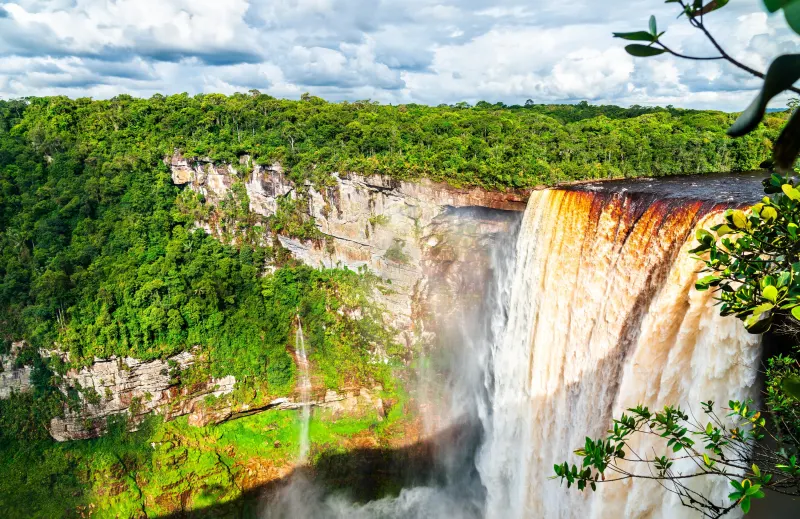
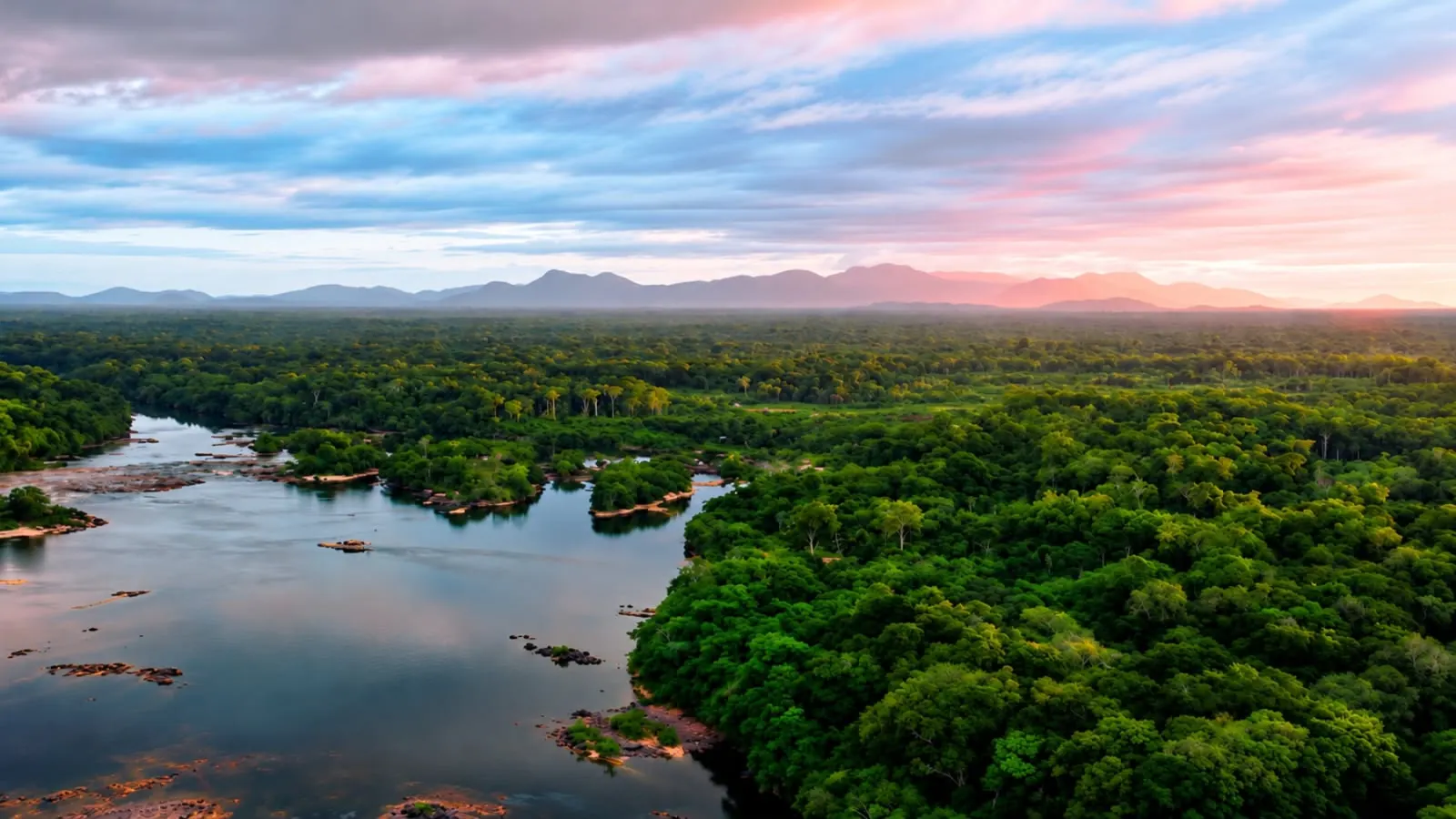
At Iwokrama, where this bilateral relationship first took root, the work of connecting forest conservation with research and livelihoods continues. Across its 371,000 hectares, earnings from the forest bring decisions about how it is used, who helps manage it and how its benefits are shared. These decisions give practical meaning to the King’s observation: a priceless forest can generate income without its full value ever appearing in a financial account.
A forest with a working future
Established in 1996 through cooperation between the Government of Guyana and the Commonwealth Secretariat, the Iwokrama International Centre manages a forest divided into a sustainable-use area and a wilderness preserve. Together, they provide a setting for examining how conservation and economic activity can support each other. The King renewed his patronage in June 2024, continuing his support for that work.
Iwokrama connects 20 local communities, representing approximately 7,000 people, through shareholding, participation, co-management and benefit-sharing arrangements involving timber, tourism, research and forest management. Their involvement places people within the conservation model, with a stake in how the forest is managed and what it produces.
The combination is demanding. Timber operations generate income through harvesting, while tourism and research depend on a forest that retains its ecological richness. Managing these activities together requires attention to what can be used, what needs protection and whether today’s earnings leave the forest capable of supporting future livelihoods.
Iwokrama provides a place to examine those choices over time. Its continued receipt of donor, corporate and government support also reveals a financing challenge: commercial activity alone does not necessarily meet the costs of conservation and scientific research. Recognition helps, but keeping such work going requires sustained investment.
From recognition to revenue
That challenge has long been part of the King’s engagement with Guyana. In 2008, at Mansion House in London, the then Prince of Wales praised the leadership of then-President Bharrat Jagdeo and supported work on a proposal linking rainforest conservation with national development. Guyana launched its Low Carbon Development Strategy the following year.
In his recent remarks, the King recalled helping bring partners together through his rainforest work and the International Sustainability Unit. His support formed part of a wider effort, led by Guyana, to secure international recognition and financing for the benefits its standing forests provide.
Under today’s LCDS 2030, forest carbon revenues help finance development, including investments selected through village-led plans. The connection between an international carbon transaction and a village’s priorities depends on what happens after payment: how decisions are made, which investments people choose and whether those investments can be sustained.
This is where conservation financing acquires a meaning beyond the transaction itself. Funding may create opportunities, but people still need the authority, knowledge and practical support to turn those opportunities into lasting benefits.
Carbon finance also measures only part of what a forest provides. Carbon credits account for a climate benefit measured in tonnes of carbon dioxide equivalent. Biodiversity encompasses the variety of life within and between species and across ecosystems. Financing forest carbon can support biodiversity conservation, but it does not automatically value every habitat, species or cultural connection within a forest.
The King’s description of nature as priceless leaves room for both realities. Forest conservation needs financing, even though a payment cannot express everything that would be lost if the forest disappeared.
What remains beyond the price
The King’s remarks also connected biodiversity with human health and future generations. The World Health Organization identifies relationships extending from food and nutrition to traditional medicine and biomedical discovery.
Traditional medicine shows why protecting nature can involve more than preserving a resource. A medicinal plant grows within a habitat, while knowledge of its preparation and use is held and passed on by people. If the habitat disappears, that knowledge becomes harder to practice. If knowledge is no longer passed between generations, conserving the plant alone cannot preserve the relationship. Its significance exceeds what anyone might pay for the raw material.
The proposed Harmony Village and Centre for Indigenous Knowledge at Moraikobai brings these concerns together. Developed through collaboration with The King’s Foundation, the initiative envisages Indigenous-led learning and enterprise involving traditional medicine, agriculture and crafts. Its value will depend on how the people of Moraikobai shape the initiative and benefit from it.
The partnership also includes a Georgetown Urban Framework Plan addressing drainage, transport and architectural heritage. These initiatives extend the relationship into new areas, twenty-six years after the King’s first visit, even as it continues through the work of Guyanese researchers, forest managers and Indigenous partners. His support has helped draw attention to that work; its future rests with the people who carry it forward. At Iwokrama, each generation inherits a forest shaped by the care and choices of those before it. The hope behind this longstanding bond is that those who come next will inherit more than standing trees: they will inherit the knowledge, the means and the freedom to build a life among them.