
A hot day in Guyana is hardly unusual. But when the heat is accompanied by less rain over weeks or months, the effects can reach beyond the weather. A farmer may need more water for a crop. A household may use its fan for longer. In a hinterland community, the depth of a river may matter to the next journey for people or supplies.
El Niño is one reason to pay attention to those connections now.
Its name comes from fishermen along the coasts of Peru and Ecuador, who noticed warm Pacific waters around Christmas and called them El Niño, a reference to the Christ Child. Today, the term describes unusual warming in the central and eastern tropical Pacific. Changes in that vast stretch of ocean can shift rainfall and temperature patterns far beyond its location.
The World Meteorological Organization reported in September that El Niño was firmly established and expected to strengthen. It forecast a nearly 100 per cent likelihood that the event would persist through February 2027, with very strong intensity possible before the end of 2026.
That is a forecast about how long El Niño may last, not a prediction that drought is certain in Guyana. Even a very strong event does not produce the same effects everywhere.
The more relevant outlook for Guyana comes from the Caribbean Regional Climate Centre. It says El Niño typically reduces rainfall frequency and increases the chance of drought in the Guianas. For September to November 2026, it identifies a possibility of unusually low rainfall in Guyana, though confidence in that part of the forecast is medium. Heavy showers and flooding can still occur within a season that receives less rain overall.
The distinction matters. A seasonal forecast gives Guyana time to prepare, but it cannot tell every farmer when rain will fall or every community how much water it will have.
Agriculture is one place where a longer dry spell could become visible. Farmers may have to adjust planting, irrigation and care for livestock as water becomes less dependable. If production is affected across farming areas, the consequences could eventually reach markets and household food bills. How far they reach will depend on what happens on the ground, not simply on how strong El Niño becomes.
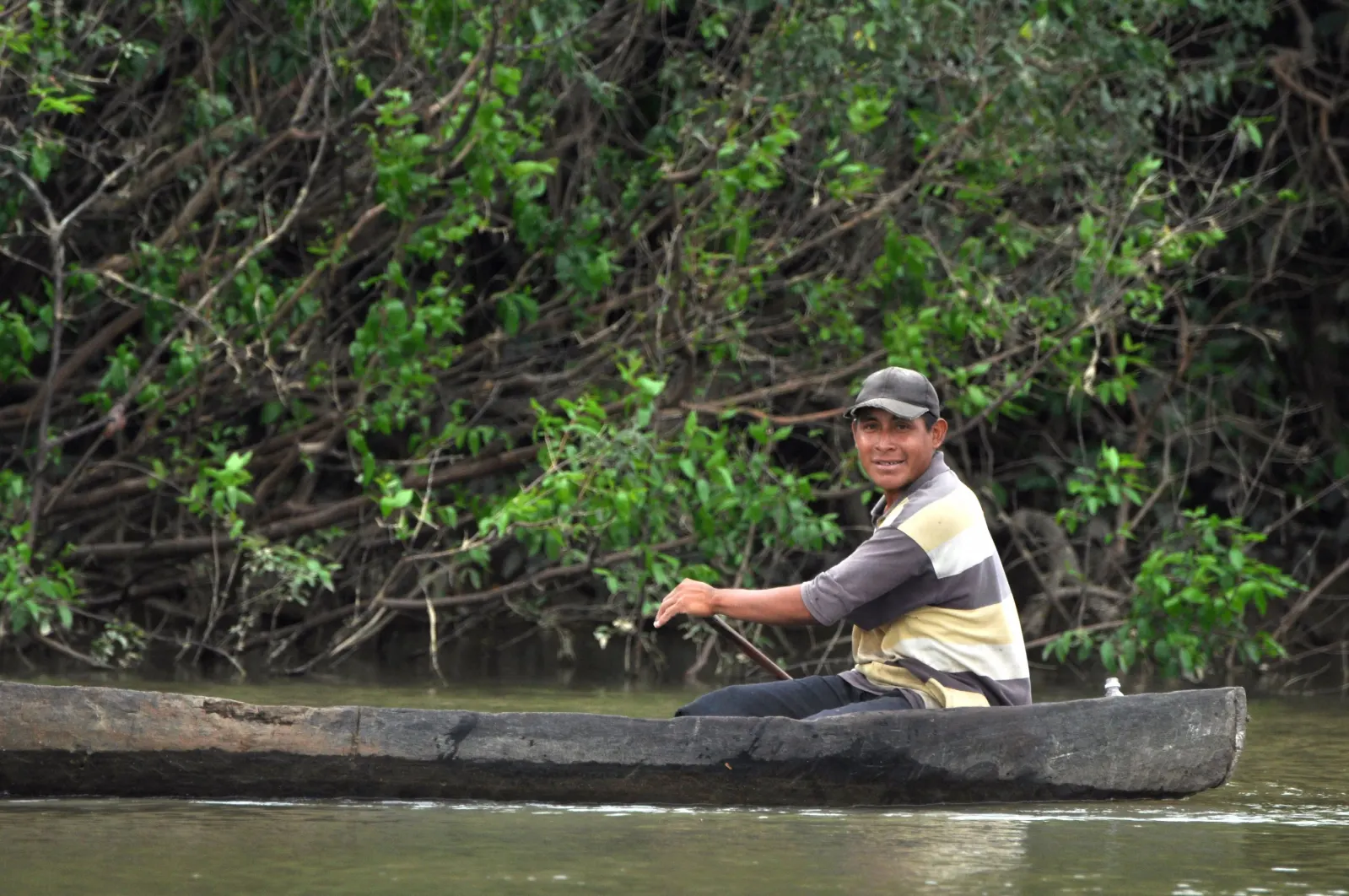
Water also connects communities in different ways. For some households it is a matter of storage and supply. In parts of the hinterland, rivers are routes for passengers and goods, so falling water levels could complicate travel and deliveries. Some mining methods depend on water as well. These are possible pressures to monitor, and dry conditions can bring another risk. The regional climate centre notes that the Guianas’ dry season normally brings greater wildfire potential, dust and airborne particles. With more hot days also expected, the conditions facing people who work outdoors deserve attention.
Electricity shows how several pressures can build at once. In August, Guyana Power and Light reported record demand driven by hot, dry conditions alongside growth in housing, commerce and industry. El Niño cannot be assigned sole responsibility for that demand. But when households need more cooling, they can use more electricity.
These effects do not happen separately. Water used on a farm, food brought to market, a boat trip along a river and electricity used at home all form part of daily life. A change in rainfall can put pressure on more than one of them.
Guyana does not yet know exactly how this El Niño will be felt from one community to the next. The heat tells us El Nino is here and forecasts tell us enough to pay attention to our water needs, water reserves, water storage and water use. Water is life.